In today’s fast-paced, visual-driven world, corporate industrial photography acts as a powerful tool for businesses. It conveys complex industrial processes and narratives in a visually compelling manner, shaping how these stories are perceived by audiences. Let’s explore why this type of photography is essential for effective visual storytelling.
Bringing Complex Processes to Life
Corporate industrial photography translates intricate industrial processes into visual art. This allows audiences to appreciate complex operations that are otherwise difficult to grasp, making it easier to tell a comprehensive story. Imagine a factory floor bustling with robots assembling cars, each action a crucial part of a sophisticated choreography. Without such compelling visual representation, the intricacies of these processes might remain unseen and undervalued. Through photography, these elements become more than components—they become the stars of a vivid narrative.
In industries like manufacturing or engineering, where processes can be highly technical, photography bridges the gap between the complex and the comprehensible. It deconstructs these intricate sequences and presents them in an engaging manner. This translation from complexity to clarity is pivotal for stakeholders who may not be familiar with the technical nuances but need to understand the company’s capabilities and innovation. Hence, corporate industrial photography plays a critical role in ensuring the audience can visualize and appreciate the sophistication behind each product.
Fostering Authentic Brand Identity
Through authentic imagery, businesses can showcase their true identity. High-quality photos of industrial settings contribute to a genuine portrayal of a company’s operations, reinforcing brand trust and loyalty. When a company invites visual storytelling into its brand identity, it not only showcases its operations but also its values and culture. These images serve as a testament to the company’s commitment to transparency and quality. They offer a glimpse into the heart of its operations, where dedication and craftsmanship are at the core.
Visuals captured from the core of any business environment can reveal more than traditional marketing methods ever could. An honest depiction of a company’s everyday environment speaks volumes about its integrity and commitment beyond what’s visible at the surface. These details help build a narrative that resonates with audiences on a deeper level, fostering a connection rooted in authenticity and reliability. This connection is crucial in an age where consumers are increasingly valuing authenticity over polished, but impersonal, marketing messages.
Humanizing Industrial Spaces
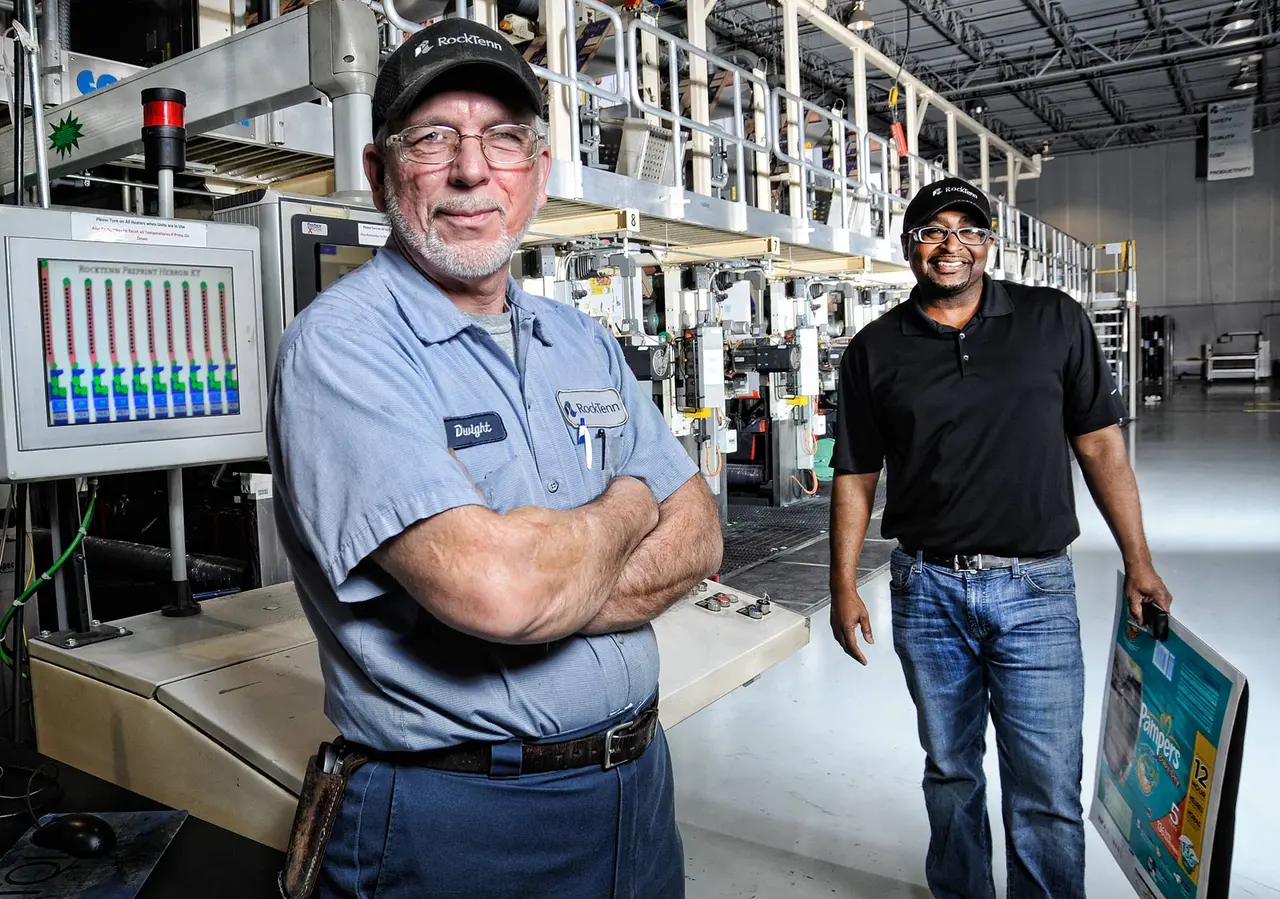
Photographs have the ability to humanize vast, impersonal industrial spaces. By highlighting the people behind the machines, they offer a narrative that connects on a personal level with the audience. This connection is vital for audiences to see the human element within what are traditionally seen as mechanical and detached environments. Workers portrayed in their natural settings, showcasing their expertise and dedication, bring warmth and life to industrial imagery, making the overall environment more relatable and accessible.
Through capturing genuine moments of employees engrossed in their craft, corporate photography highlights the stories of those whose efforts drive the machinery and technology forward. This narrative elevates the people behind the processes, emphasizing their skills and experiences. Such an approach shifts the narrative from merely showcasing technology to celebrating the human endeavor, encouraging audiences to appreciate the expertise and passion driving technological advances. By unveiling these stories, businesses can create a rich tapestry of human experiences that truly resonate with their audience.
Enhancing Marketing Campaigns
Utilizing powerful images in marketing strategies amplifies the impact of campaigns. It makes them more appealing and relatable, thus boosting engagement and improving the overall narrative structure. A well-constructed image can evoke emotions, remind audiences of the company’s values, or invite them to participate in a brand’s journey. In the digital age, where content is consumed at lightning speed, captivating imagery can capture attention in a way that words alone cannot.
Photography has the unmatched ability to communicate a brand’s message quickly and effectively. It supplements text-based content with vivid, memorable visuals that linger in the viewer’s mind long after they’ve turned the page or clicked away. This visual reinforcement of marketing narratives helps to solidify the brand’s presence and message in the consumer’s mind. As audiences are increasingly driven by visual content, the strategic use of high-quality industrial photography can be the differentiator that sets a brand apart in a crowded marketplace.
Contributing to Effective Communication
Visual storytelling through corporate industrial photography enhances internal and external communication. It provides clearer insights into business operations, fostering understanding and collaboration across various stakeholders. When stakeholders can visually engage with a company’s processes and values, it builds a shared understanding that transcends language barriers and technical terminology.
Clearly showcasing what happens within a company’s walls through photography enables a more transparent dialogue between organizations and their partners, clients, or investors. In doing so, businesses ensure that their communication is not just about conveying information but also about creating an immersive experience that captures the essence of their operations and culture. This enriched form of communication ultimately fosters stronger ties and a greater sense of community among all who engage with the brand.