
Architecture photography is a captivating art form that merges the world of design and photography. It showcases the intricate beauty of architectural structures and the creative vision of their builders. In this blog, we’ll explore what architecture photography is all about and why it holds such significance in both the art and architecture worlds.
Understanding the Essence of Architecture Photography
Architecture photography focuses on capturing the essence and aesthetic of buildings and other structures. Unlike other forms of photography, it emphasizes symmetry, geometry, and the interaction between light and shadow to highlight architectural beauty. This specialized field requires a deep understanding of the subject matter and a keen eye for details that others might overlook.
While framing a building, photographers aim to convey the architect’s original vision and the functionality it embodies. Architectural photographers often spend significant time researching the history and purpose of a structure to provide context in their photos. As a result, their images deliver a narrative that’s rich in depth and meaning.
The Artistic Vision Behind Every Snap
An architecture photographer views each building as a work of art, capturing not only its physical form but also the emotion it evokes. Through careful composition and an eye for detail, photographers bring out the unique character of each structure. The artistic vision is not just about aesthetics; it’s also about communicating the story of the building and its relation to the environment.
The storytelling aspect of architecture photography often involves highlighting unique design elements or innovative construction techniques. This form of photography opens a window into the creativity and vision of architects and designers, providing inspiration and insight for future projects. By capturing these subtleties, photographers contribute to the legacy of architectural achievements.
The Role of Light in Architectural Photography
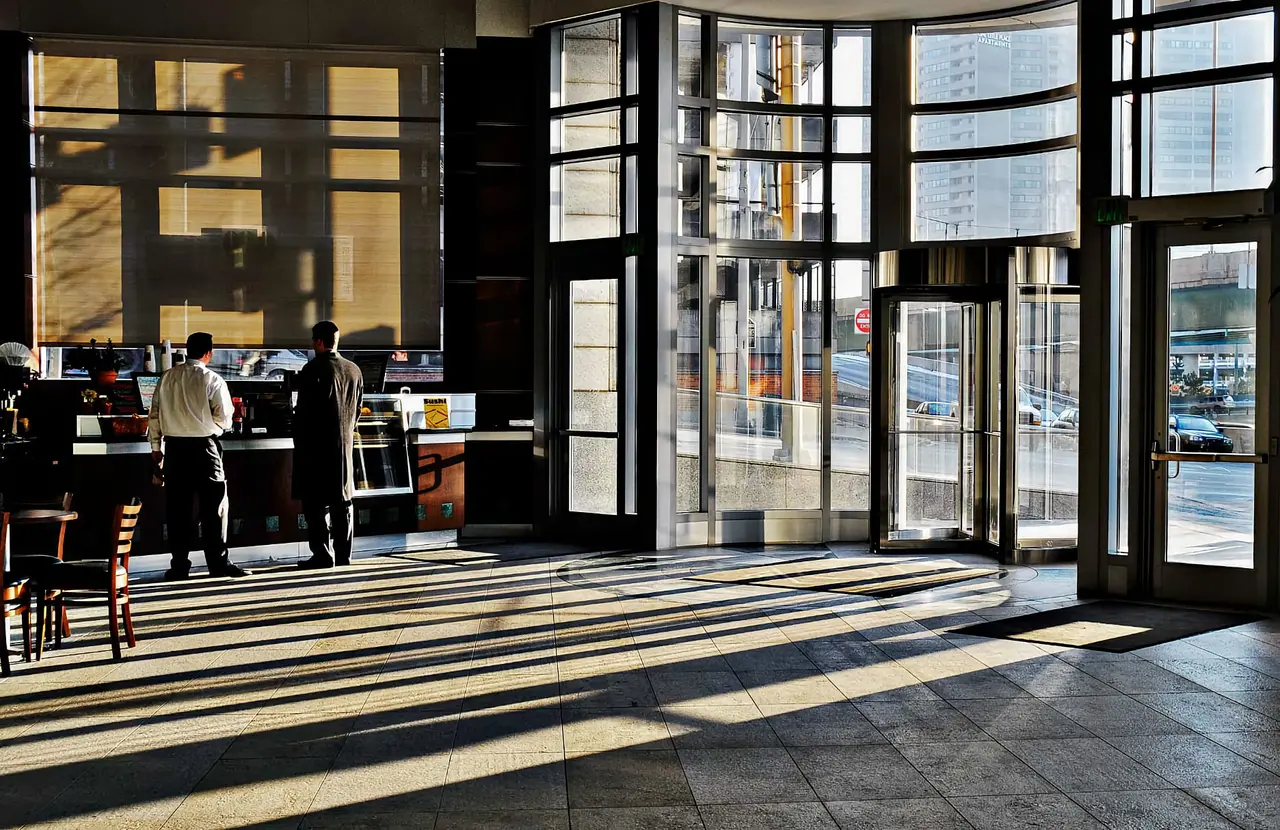
Lighting plays a crucial role in architecture photography, as it can transform the appearance of a structure dramatically. Photographers often experiment with natural and artificial lighting to create compelling visuals that accentuate textures and contours. The changing light throughout the day offers different moods and interpretations of the same structure.
Golden hours, which occur shortly after sunrise or before sunset, are particularly prized for their soft, warm light that adds a theatrical glow to the architecture. Nighttime photography introduces the opportunity to use artificial lighting creatively, from streetlights to illuminated windows, that add drama to the images. Adjusting shadows and highlights can even make minimalist buildings appear intricate.
Capturing Historical and Modern Perspectives
Architecture photography is not limited to new structures; it also documents historical buildings, preserving their legacy. By photographing both modern and ancient architecture, photographers create a visual dialogue between the past and the present. This dialogue is essential for showcasing the evolution of architectural design and technique over the centuries.
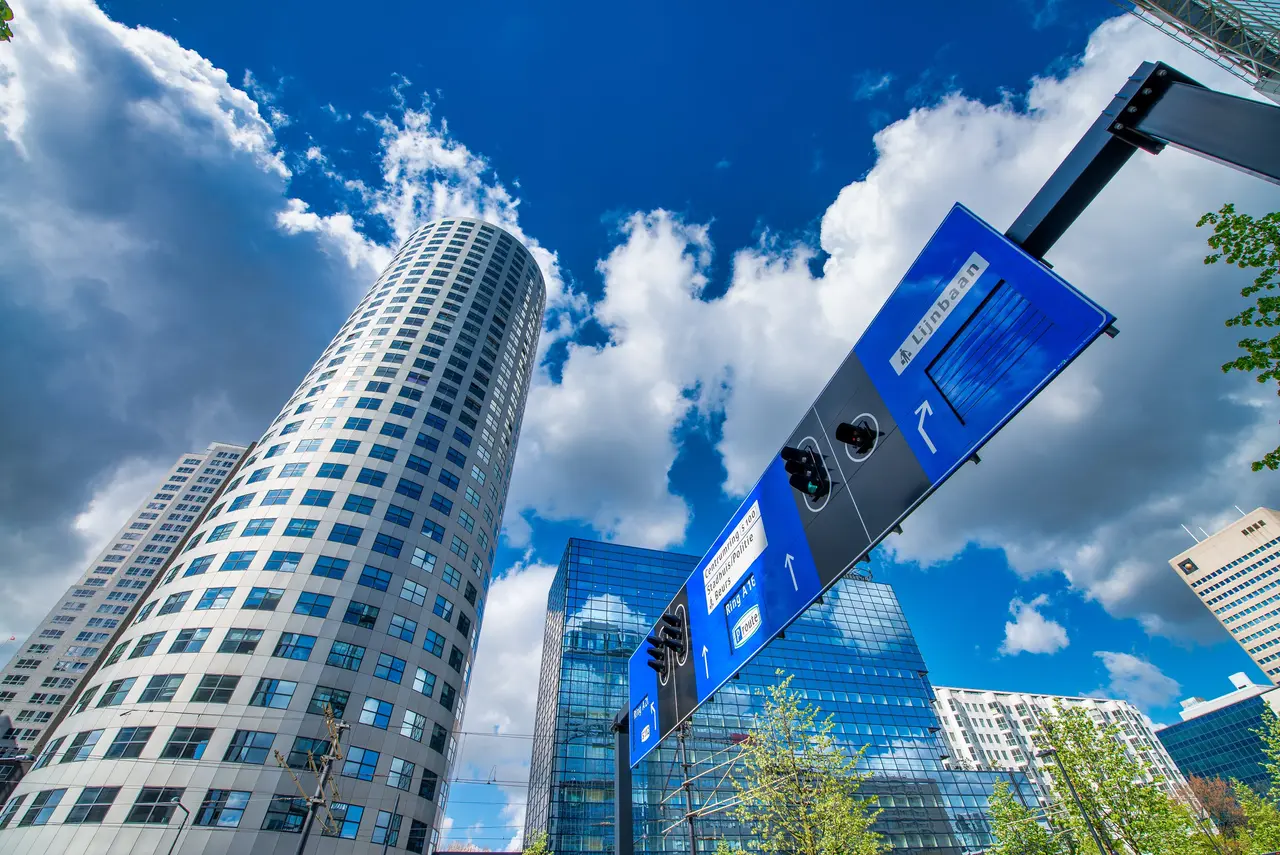
Photographing historical buildings involves a delicate balance of showcasing their aged beauty while respecting their historical significance. On the other hand, capturing contemporary architecture often highlights innovative designs and pioneering materials. Together, these images provide a comprehensive view of our built environment, showing how culture and technology influence architectural styles.
Incorporating elements like surroundings or people helps convey how these buildings integrate or stand out within their environments. Such perspectives enable viewers to appreciate not just the structures themselves but their roles within the broader context of urban or rural landscapes.
Why Architecture Photography Matters
Architecture photography serves as an educational tool and a source of inspiration. It helps architects and designers visualize ideas and sparks creativity in how we shape our built environment. Moreover, it makes architecture accessible to the public, fostering an appreciation for structural art. Images of architecture can inform discussions on urban planning and enhance awareness of architectural heritage.
In addition to preserving visual records, architecture photography functions as a catalyst for change. By bringing attention to outstanding or culturally significant buildings, these images can raise awareness about conservation efforts and sustainable design. It’s a visual medium that encourages a more profound reflection on how structures impact our daily lives and communities.
Finally, by sharing these photographs through various media, from galleries to social platforms, photographers broaden the reach and influence of architectural appreciation. Whether you are an art lover, a student, or a professional, architecture photography has the power to provoke thought, inspire innovation, and enhance our appreciation of the built environment.