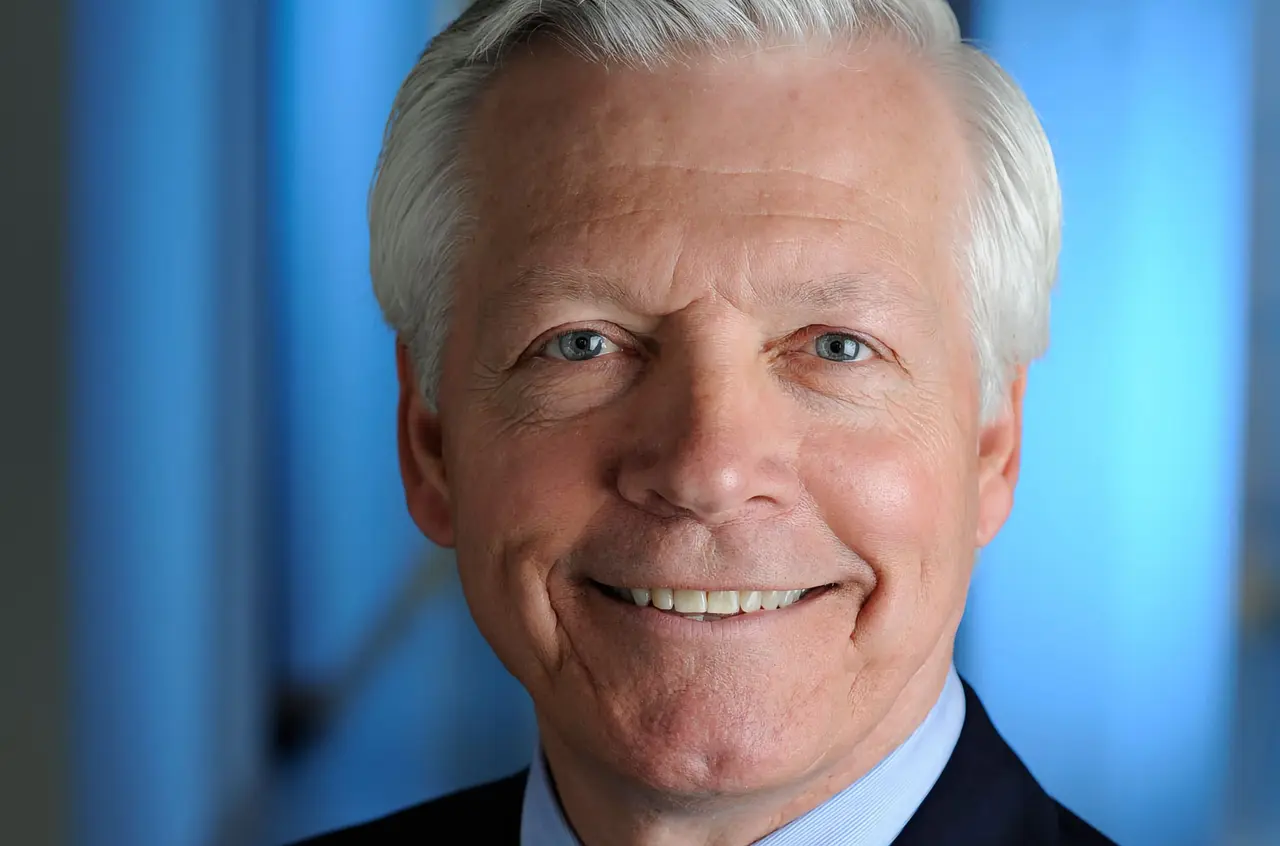
Planning a CEO headshot session can be a pivotal moment for capturing the essence of a leader. Whether you’re preparing for a rebranding or simply updating imagery, the process requires some thoughtfulness and creativity. In this blog, we’ll explore key considerations to ensure your CEO headshots resonate with professionalism and authenticity.
1. Choosing the Right Photography Style
The style of photography you choose can dramatically affect the final image. From traditional portraits that emphasize a formal posture to a more modern and candid approach that captures spontaneous moments, choosing a style that aligns with the CEO’s personality is key. A classic style may suit a company with a long heritage, while a cutting-edge, dynamic style could complement a tech-savvy company. Discuss with your CEO to understand any preferences they might have. Involving them in this decision can enhance comfort and authenticity during the session.
Be sure to consider the potential messaging and visual storytelling you want to convey through the headshots. Each type of photography style can evoke different emotions and perceptions from the audience. For example, high-contrast, black-and-white images can communicate seriousness and focus. In contrast, a colorful, soft-focus portrait might suggest approachability and warmth. Matching photography style with corporate branding helps to maintain consistency across all professional imagery.
2. Considering Background and Setting
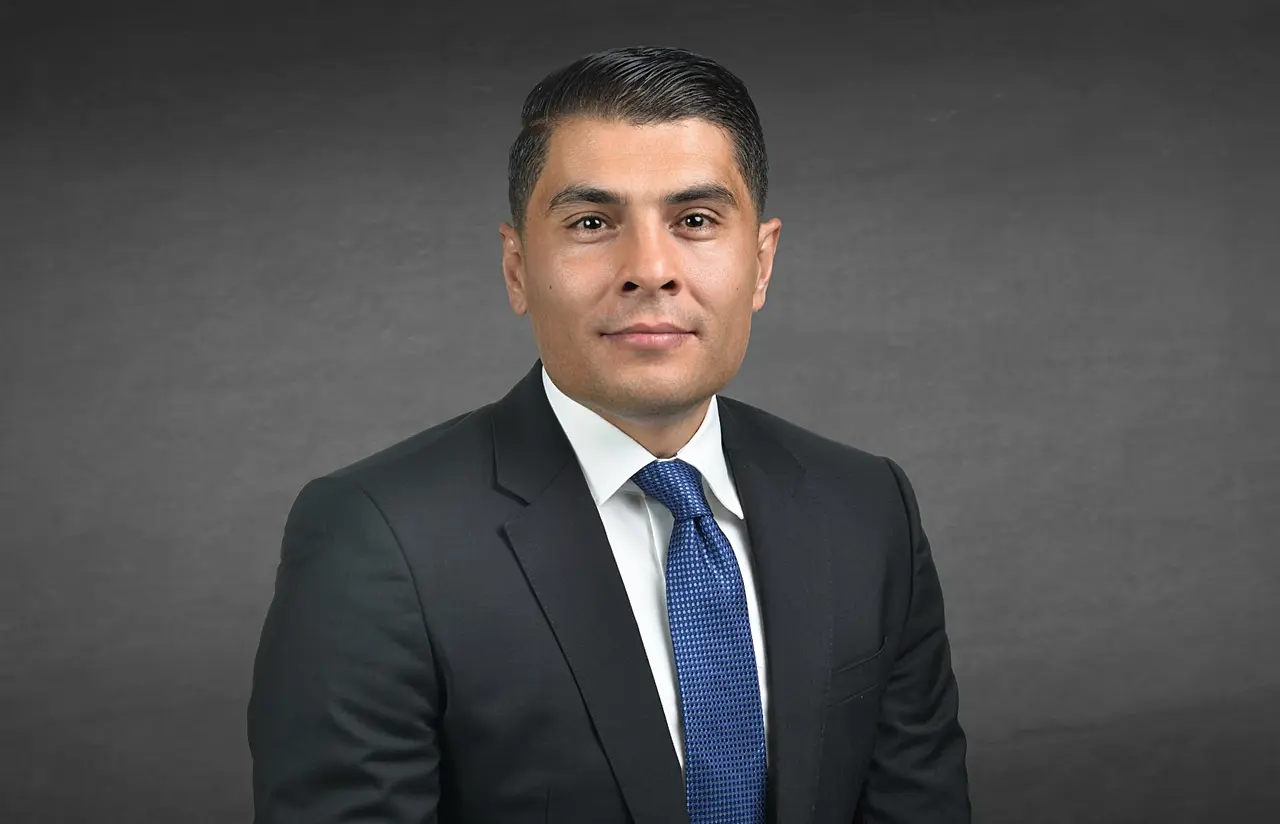
Select a background that enhances, not distracts. Options range from office settings that convey professionalism to natural landscapes for a more relaxed and approachable look. An office environment may include elements like bookshelves or a conference room, which subtly suggest an executive’s role in the business world. In contrast, a clean, minimalistic background can keep the focus entirely on the CEO, emphasizing their leadership presence.
If you’re opting for an outdoor setting, consider the time of day and weather conditions, as these can drastically impact the tone of the photograph. Dawn or twilight hours offer softer, more flattering light, while midday sun may result in harsh shadows. Ultimately, the backdrop should harmonize with the photographer’s vision and the CEO’s personal style to create a compelling portrait that tells a story about the company and its leadership values.
3. Understanding the Importance of Lighting
Lighting can make or break a photo. For instance, natural lighting provides a soft, pleasing appearance that highlights features without being harsh, which is often ideal for portraits. However, for in-studio sessions, artificial lighting allows precise control over shadows and highlights. Discuss with your photographer about the best lighting options, whether it be through natural light diffusers or sophisticated studio lamps, ensuring clarity, warmth, and highlighting the strengths of your subject. Different lighting techniques can accentuate different aspects of the photo, such as focus or depth, influencing the mood and professionalism conveyed.
4. Selecting Appropriate Attire
Clothing choices can reflect the company’s culture and the CEO’s personal style. Formal business attire, such as tailored suits or crisp blouses, can be an excellent choice for portraying professionalism and authority. Alternatively, opting for more casual wear, such as blazers with jeans, could indicate a modern and progressive corporate culture. Colors hold significance too; dark hues often convey power and confidence, while lighter shades can suggest friendliness and openness. Coordinate colors with the background and setting to ensure a harmonious look that complements the overall image you wish to project, making full use of accessories to add a touch of personal style.
Pay attention to patterns and textures as well. Subtle patterns can add interest and depth to a photograph, but overly busy designs might distract from the face. Similarly, textures like wool or silk can add a luxurious feel but must be chosen carefully to avoid clashing with other elements in the photo, maintaining a balanced aesthetic.
5. Ensuring Comfort and Authenticity
It’s crucial that the CEO feels at ease during the shoot. This authenticity can translate into a more genuine and relatable image, capturing their true character. Ensuring comfort begins with the environment—choosing a location the CEO is familiar with or a setting that aligns with personal tastes can help ease nerves. Consider small details like providing a comfortable sitting area and ensuring there’s minimal distraction or disturbances during the shoot.
A relaxed, authentic expression often makes a portrait stand out. Encourage the leader to engage in light conversation or perform simple gestures—perhaps a natural laugh or a thoughtful gaze—to achieve moments that reflect their personality truly. This approach not only results in exceptional photographs but also strengthens the personal connection between the CEO and the viewer, setting an approachable and credible tone.
6. Working with a Professional Photographer
Collaborate with an experienced photographer who understands your vision. A professional brings not just technical prowess but also creative insight to help bring your concept to life. They can provide valuable suggestions on posing, background, lighting, and all facets of the shoot to enhance the final product. Sharing your company’s values, mission, and desired image outcomes with the photographer will align efforts and ideas, ultimately resulting in photographs that convey compelling stories through visuals.
When selecting a photographer, review their portfolio for diversity in style and adaptability. A versatile photographer who has worked with high-profile clients might anticipate specific needs or offer unique solutions tailored to your project, making them invaluable when planning and executing the session. With over 30 years in business as a corporate photographer in Phoenix , you can count on Art Dickinson Photography to exceed your expectations.
7. Planning for Retouching and Editing
Discuss the level of retouching and editing that aligns with the desired outcome. A light touch can maintain a natural appearance while ensuring the image is polished. Photo editing includes removing minor blemishes or adjusting colors and contrast but should never alter the subject’s features significantly. It’s about striking a balance between perfection and authenticity, ensuring the CEO’s natural features are represented beautifully and honestly.
Share reference images or examples of editing styles that appeal to you with the photographer. This collaboration ensures expectations are set beforehand, leading to fewer revisions and a final product that matches your vision. Remember, retouching should enhance, not overshadow, the innate qualities of the CEO’s leadership presence.
8. Preparing for Multiple Uses
Consider the various platforms where the headshots will be published. Will the CEO’s photo be on your company’s website, in press releases, or across social media profiles? It’s vital for the images to meet sizing and style requirements specific to each platform for consistency and professionalism in the presentation. Discuss these specifications ahead of time with your photographer, which aids in framing and composition during the shoot.
Ensure to plan for both high-resolution formats for print media and compressed versions for online channels. Each use may dictate specific needs, such as color profiles for web versus print, and understanding these nuances can make a big difference in visually communicating your leader’s persona across all channels. Preparing with foresight equips you to efficiently integrate the headshots into various branding and marketing efforts, amplifying the impact of the CEO’s image.